Understanding Shrink Wrap Equipment: An Overview
Shrink wrap equipment plays a crucial role in high-volume packaging across various industries, providing protection and aesthetic appeal to products. There are several types of shrink wrap machines, each tailored to specific applications and needs.
- Manual Shrink Wrap Machines: These are suited for low-volume packaging needs. Users manually place products onto a shrink film, then use a heat gun or oven to shrink the wrapping. Ideal for small businesses or artisans, they offer flexibility without significant investment.
- Semi-Automatic Shrink Wrap Machines: These machines streamline the process by automating film feeding and cutting, while operators handle product placement. Common in small to medium-sized businesses, they enhance efficiency while maintaining a manual touch.
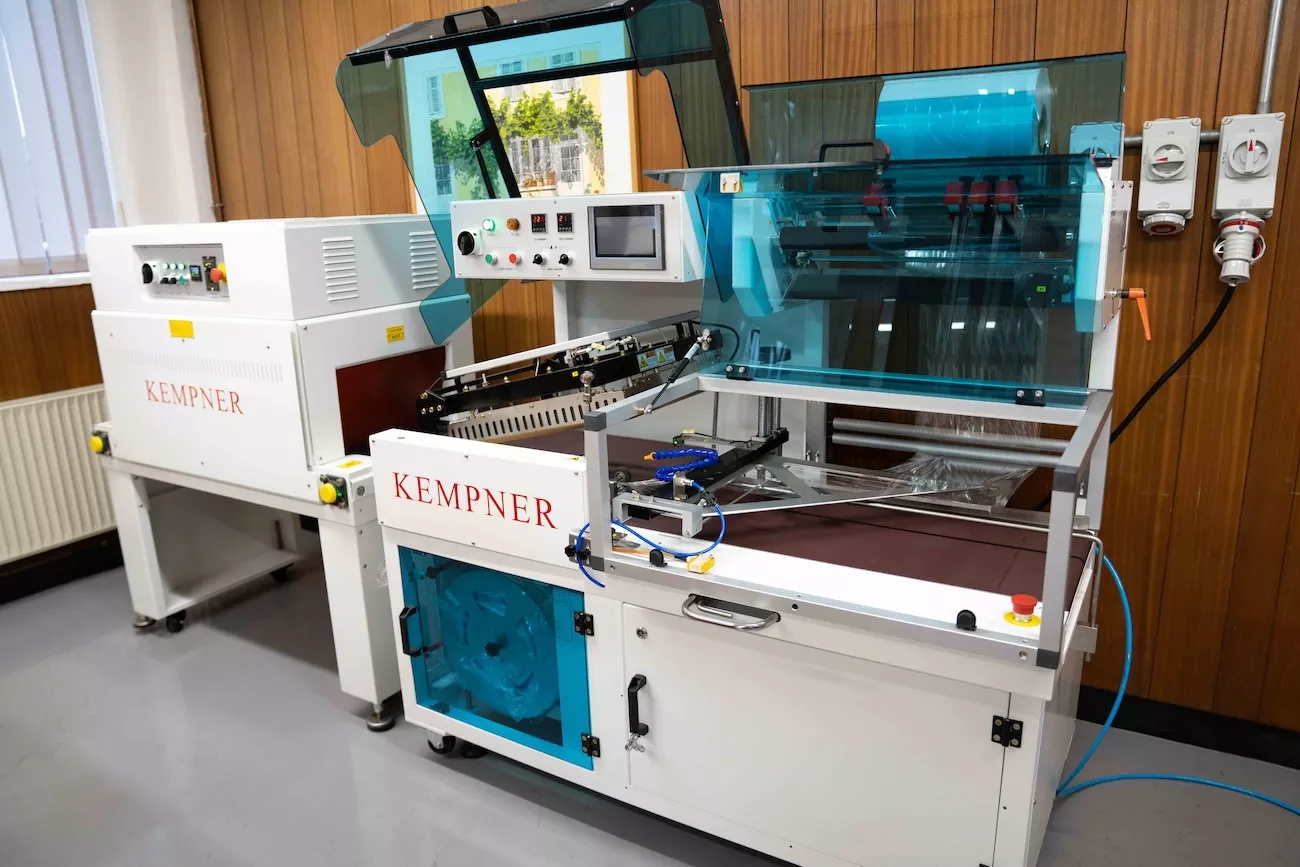
- Automatic Shrink Wrap Machines: Designed for high-volume packaging, these machines can automatically wrap and seal products at high speeds. They are particularly favoured in industries such as food and beverage, pharmaceuticals, and consumer goods, where consistent, rapid packaging is essential. For more detailed insights, you can check out our shrink wrap equipment.
- Shrink Tunnel Equipment: Often used in conjunction with automatic wrapping machines, shrink tunnels employ hot air to ensure uniform shrinkage. This is especially important for maintaining product integrity and appearance in retail settings.
- L-Bar Sealers: Utilizing a sealing mechanism that cuts and seals the film around the product, L-Bar sealers create tight, secure packages. They are widely used in industries requiring both speed and reliability.
The applications of shrink wrap equipment extend beyond mere packaging; they also include palletisation and bundling. In the food industry, for example, shrink wrap provides an airtight seal, extending shelf life and ensuring hygiene. In retail, it enhances product visibility while ensuring safety during transport.
The efficiency and versatility of shrink wrap machines make them indispensable for high-volume packaging in diverse sectors, ensuring products are well-protected and presented attractively for consumers.
Key Features to Evaluate in Shrink Wrap Equipment
When selecting shrink wrap equipment, several crucial features should guide your decision-making process to ensure it aligns with your packaging needs.
- Speed: The operational speed of shrink wrap equipment is vital for meeting production demands. High-speed machines can significantly enhance workflow efficiency, particularly in high-volume environments. Consider the packaging speed, typically measured in packs per minute, to ensure the equipment can keep up with your production line requirements.
- Versatility: Look for equipment that can handle both manual and automatic operations and can be easily adjusted to work with various packaging materials, such as film thickness and type.
- User-Friendliness: A user-friendly interface is essential for minimising training time and reducing errors. Features such as intuitive controls and easy-to-read displays enhance usability.
- Maintenance and Support: Regular maintenance is crucial for the longevity and efficiency of shrink wrap equipment. Choose models known for their reliability and ease of maintenance.
- Cost-Effectiveness: While initial costs are an important consideration, evaluate the total cost of ownership, which includes maintenance, efficiency, and operational costs.
Choosing the right shrink wrap equipment involves balancing these features to best suit your specific operational needs. For further information and options, consider exploring Kempner's range of shrink wrap solutions.
Importance of Durability and Maintenance in High-Volume Operations
In high-volume packaging operations, durability and ease of maintenance are paramount for sustaining efficiency and cost-effectiveness. Robust machinery is designed to withstand continuous use and minimise downtime through straightforward maintenance practices.
Investing in durable equipment reduces the frequency of repairs and replacements, which can be costly. High-quality materials and engineering can lead to a significantly longer lifespan over cheaper alternatives, resulting in lower lifetime costs.
Ease of maintenance directly correlates with operational efficiency. Machinery that can be serviced quickly helps to keep production schedules intact, especially critical in high-volume settings where delays can lead to financial loss. Facilitating easy access to key components encourages a proactive maintenance culture.
In summary, investing in robust machinery tailored for high-volume operations enhances reliability, promotes long-term savings, and optimises operational efficiency. For more information on best practices in packaging operations, visit Kempner's website.
Making an Informed Decision: Comparing Options for Your Business
To effectively assess and compare different shrink wrap equipment models, consider the following practical tips and checklists:
- Determine Your Needs: Identify what you need from the shrink wrap machine. Consider the types of products, their sizes, and required output rates.
- Evaluate Production Volume: High-volume operations may require more robust machinery with faster cycle times, while smaller businesses might opt for entry-level units.
- Check Specifications: Compare various sealing methods, sealing options like band sealers, L-bar sealers, or chamber sealers to find what suits your workflow.
- Energy Efficiency: Look for energy-efficient models to help reduce operational costs.
- Ease of Use and Maintenance: Consider user-friendly features and maintenance needs to ensure longevity and reliability.
- Safety Features: Review available safety features such as emergency stops and protective guards to ensure a safe working environment.
- Seek Recommendations: Check reviews and testimonials for insights into performance and reliability.
- Request Demonstrations: Arrange for a live demonstration or trial period to clarify the machine’s suitability.
- Total Cost of Ownership: Evaluate not only the purchase price but also maintenance, downtime, and operating costs.
- Vendor Support and Warranty: Assess the quality of customer support offered, including training services and warranty terms.
By using this checklist and assessing these factors, you’ll be better equipped to choose the right shrink wrap equipment that aligns with your business goals and production demands. For detailed evaluations on specific models, consider visiting Kempner, which offers a range of options and professional advice tailored to your packaging needs.